
TOYOTA MULTI-PATHWAY STRATEGY SUPPORTS THE USE OF LOW-CARBON LIQUID FUELS
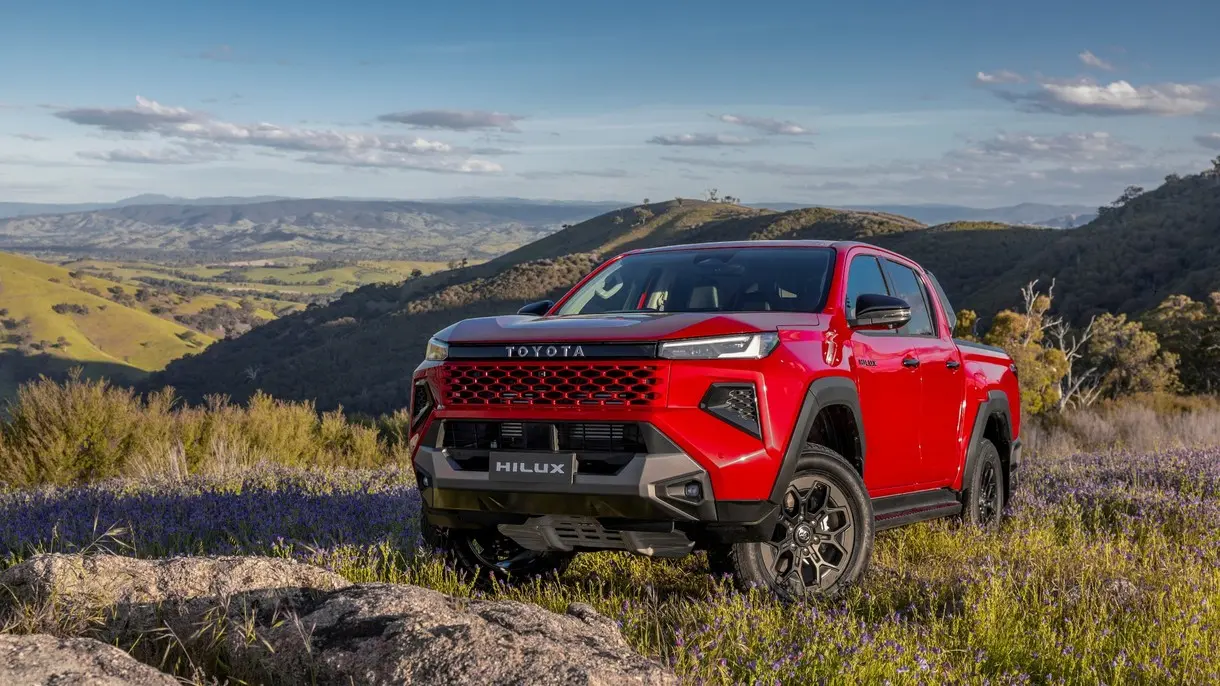

**2015-onward HiLux diesel models capable of running on 100 per cent LCLF**
**Toyota working with industry to explore the role of low-carbon liquid fuels in Australia's energy transition**
**Additional Toyota diesel models to become HVO100 compatible in near future**
Toyota is exploring the use of low-carbon liquid fuels (LCLFs) as part of its multi-pathway approach to decarbonisation, which can help the transition to lower-emission motoring while achieving substantially the same levels of the performance, reliability and range Australians rely on.
Toyota and Ampol are currently undergoing a trial using 100 per cent hydrotreated vegetable oil (HVO100) biofuel, meaning no diesel is required, which is compatible for use in all HiLux vehicles built from mid-2015 and equipped with the 1GD or 2GD turbo-diesel engine.
With more than half a million N80 and N90 generation HiLux vehicles on Australian roads, switching from diesel to LCLF can have a meaningful impact in reducing lifecycle emissions for the existing HiLux car parc.
All existing Toyota diesels are capable of running on a 20 per cent LCLF blend today. Toyota is also studying the expansion of other models to be compatible with HVO100.
Toyota Motor Corporation Australia CEO & President Matthew Callachor welcomed the announcement and real-world impact that LCLFs can deliver.
"At Toyota, we believe decarbonisation requires a multi-pathway approach that gives customers practical choices while supporting Australia's transition to a lower-emissions future.
"We are excited to work with the industry to explore the potential of alternative and low-carbon fuels to support decarbonisation in the automotive industry.
“The confirmation that HiLux models from 2015 onwards can run on 100 per cent hydrotreated vegetable oil is validation that the vehicle technology exists today.
"By bringing together the automotive and energy sectors, we have an opportunity to improve fuel security and reduce emissions from both new and existing vehicles."
LCLF provides a practical solution for regional customers who want to switch to a lower-emission powertrain technology but require the practicality, towing capability, driving range and performance that diesel engines provide.
LCLF helps to support Australia’s energy transition, especially in remote areas where electric-vehicle technology may not yet be suitable, while also improving fuel security by providing a viable alternative to traditional diesel.
HVO100 is made from renewable sources including vegetable oil and recycled cooking oil and has a higher cetane number than traditional fossil-based diesel, providing much higher ignition quality which leads to a more stable combustion. It also offers much lower sulphur and aromatics content compared to fossil-based diesel.
Toyota welcomes efforts to establish a domestic low-carbon liquid fuels industry, including the Brisbane Renewable Fuels project being explored by Ampol as part of a Memorandum of Understanding with GrainCorp and IFM Investors.
Initiatives such as these have the potential to support regional industries, strengthen fuel security and help increase the availability of lower-emission fuels in Australia.
As part of Toyota's exploration of LCLFs, a HiLux powered by HVO100 successfully completed an approximately 3,000km road trip through regional Queensland, New South Wales, Victoria and South Australia in conjunction with the National Bush Summit.
The journey demonstrated the ability of LCLFs to support lower-emission transport while maintaining the capability, reliability and range required by regional Australians.